
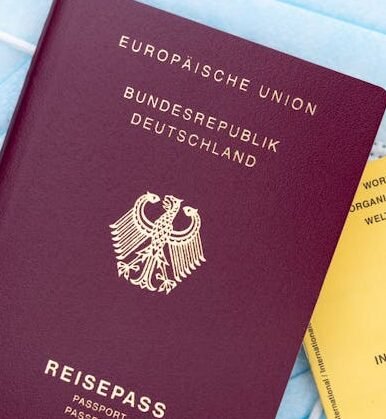

Learning how to apply for german citizenship by descent is the natural next step once a preliminary assessment suggests that a citizenship claim may exist. The process of applying for german citizenship by descent involves several distinct stages — from establishing the legal basis of the claim to assembling the required documentation and submitting the application to the competent German authority. This guide explains each stage of the process and the key considerations at each step.
How to Apply for German Citizenship by Descent — Understanding the Process
Before considering how to apply for german citizenship by descent in a procedural sense, it is essential to establish whether a citizenship claim exists in the first place. Applying for german citizenship by descent without first confirming the legal basis of the claim risks investing time and resources in proceedings that cannot succeed — or pursuing the wrong procedural route for the specific family situation.
The process of applying for german citizenship by descent therefore begins with a legal assessment, not with the submission of documents. Only once the citizenship basis has been confirmed and the correct legal pathway identified is it appropriate to move to the application stage.
For official information on how to apply for german citizenship by descent, see the Federal Office of Administration (Bundesverwaltungsamt).
A comprehensive overview of the legal framework is available in our complete guide on German citizenship by descent.
How to Apply for German Citizenship by Descent — Step One: Legal Assessment
Applying for German citizenship by descent should usually begin with the legal route, not with the forms. Before filing, it is important to clarify whether the case belongs in a passport procedure, a citizenship determination, a declaration route, or another route, and whether the citizenship chain can be supported by the available documents.
You may submit a short outline of your family background for an initial review. If the matter appears suitable, I will invite you to a short introductory call free of charge. A written legal assessment can then be requested as the next step where a structured eligibility and filing review is appropriate. A detailed explanation of the procedural options is also available in our article on German passport or citizenship determination.
How to Apply for German Citizenship by Descent — Step Two: Assembling Documents
Once the legal basis of the claim has been confirmed, the next step in how to apply for german citizenship by descent is assembling the documentary evidence required to support the application. The documents required depend on the number of generations involved, the countries where the family lived, and the specific legal pathway being pursued.
The core documents required when applying for german citizenship by descent typically include birth certificates for every generation in the family line, marriage certificates where the marital status of the parents is legally relevant, and naturalisation records where any ancestor may have acquired a foreign nationality. A detailed overview of the documents required is available in our article on documents required for German citizenship by descent.
Obtaining missing documents
Incomplete documentation is one of the most common practical challenges when learning how to apply for german citizenship by descent. German civil status records can be obtained from the relevant Standesamt or state archive. Foreign naturalisation records can typically be located through national archives in the country of emigration. Where primary documents cannot be located, alternative evidence may be used to support the claim.
How to Apply for German Citizenship by Descent — Step Three: Choosing the Competent Authority
Knowing how to apply for german citizenship by descent also requires identifying the correct competent authority for the specific case. The authority to which the application is submitted depends on where the applicant is located and which procedural route has been identified as appropriate.
Applicants living outside Germany
Applicants living outside Germany typically apply through the German embassy or consulate in their country of residence. The mission will assess the citizenship basis on the basis of the documents presented. In straightforward cases, a German passport may be issued directly. In more complex cases, the mission may refer the matter to the Federal Office of Administration for a formal citizenship determination.
Applicants living in Germany
Applicants living in Germany apply through the local citizenship authority — Staatsangehörigkeitsbehörde — of the municipality where they are registered. The authority will assess the citizenship basis and, where appropriate, issue a formal citizenship certificate — Staatsangehörigkeitsausweis.
Federal Office of Administration
Complex citizenship by descent cases — particularly those involving multiple generations, potential loss issues, or historical transmission rules — are handled by the Federal Office of Administration in Cologne. A formal determination proceeding before the Federal Office produces a binding written decision that provides legal certainty about citizenship status.
How to Apply for German Citizenship by Descent — Common Mistakes to Avoid
Understanding how to apply for german citizenship by descent also involves knowing the most common mistakes that cause applications to fail. Submitting an application without first confirming the legal basis of the claim, assembling an incomplete documentary record, or pursuing the wrong procedural route are among the most frequent reasons why applications are rejected or delayed.
A detailed explanation of the most common reasons for rejection is available in our article on why German citizenship applications get rejected. Understanding these risks before applying for german citizenship by descent allows them to be addressed systematically at the outset.
How Long Does It Take to Apply for German Citizenship by Descent
The time required when applying for german citizenship by descent varies significantly depending on the procedural route, the complexity of the case, and the current workload of the competent authority. Straightforward passport applications at a German mission abroad may be processed within weeks. Formal citizenship determination proceedings before the Federal Office of Administration typically take one to three years or more in complex cases.
A detailed overview of processing timelines is available in our article on how long German citizenship by descent takes.
Frequently Asked Questions
Where do I start when learning how to apply for german citizenship by descent?
The starting point is a legal assessment of your family history and citizenship background. This confirms whether a citizenship claim exists, identifies the applicable legal pathway, and determines which procedural route is most appropriate. Applying for german citizenship by descent without first completing this assessment risks investing time and resources in proceedings that cannot succeed.
Can I apply for german citizenship by descent myself without a lawyer?
It is legally possible to apply for german citizenship by descent without professional assistance. However, the legal and documentary requirements are complex, and errors or omissions in the application can result in rejection or significant delays. Professional legal advice is particularly advisable in cases involving multiple generations, potential loss issues, or historical transmission rules. Our article on whether you need a lawyer for a German citizenship by descent claim addresses this question in detail.
Do I need to be in Germany to apply for german citizenship by descent?
No. Applicants living outside Germany can apply through the German embassy or consulate in their country of residence. It is not necessary to travel to Germany to apply for german citizenship by descent, although personal attendance may be required at certain stages of the process — for example to submit biometric data for a passport application.
Can I apply for german citizenship by descent on behalf of my children?
Yes. Where a parent holds German citizenship — or establishes a citizenship claim through the assessment process — minor children may also be entitled to German citizenship and can be included in the application. The specific procedural requirements depend on the age of the children and the applicable rules.
What happens after I submit the application?
After submitting the application, the competent authority will review the documents and legal basis of the claim. The authority may request additional documents or information during the review process. Once the review is complete, the authority will issue a decision — either confirming citizenship status or setting out the reasons why the claim cannot be confirmed on the basis of the evidence presented.
What is the first step?
If you are preparing to apply for German citizenship by descent, the next step should usually be a structured review before forms are completed or certified documents are obtained. The key issues may include the correct legal route, the transmission of citizenship across generations, possible loss of citizenship, missing evidence, and the practical filing strategy before the consulate or the Federal Office of Administration.
You may first submit a short outline of your family background for an initial review. If the matter appears suitable, I will invite you to a short introductory call free of charge. Where a written legal assessment is appropriate, it can clarify whether the case is ready to proceed, which documents are required, and how the application should be prepared before filing.
 German
  English